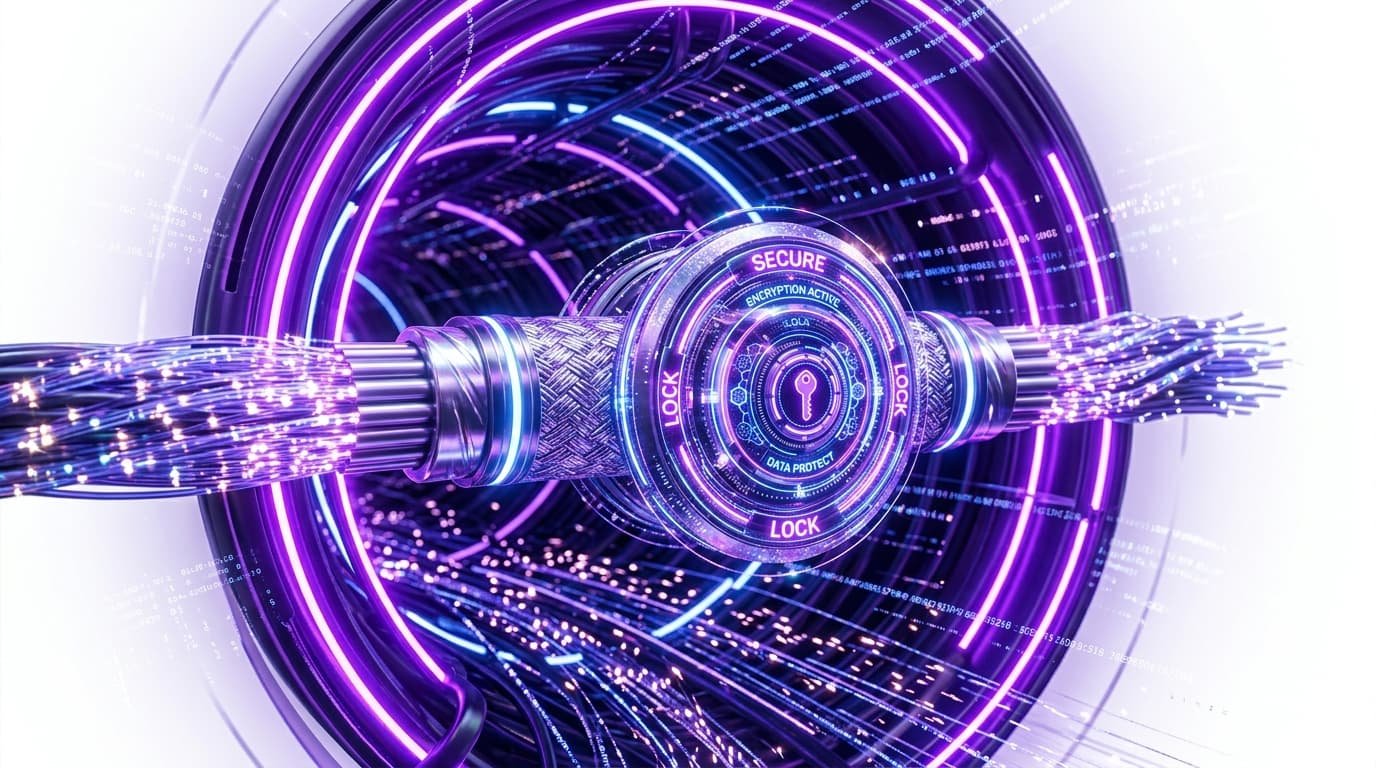
If the internet is a highway where everyone can see your license plate (IP), a VPN is a private, armored tunnel. When you enter it, your car comes out the other end with a new plate. No one knows where you come from or what's inside.
1. How does it work technically?
When you activate a VPN, your data is wrapped in an unreadable encryption layer. Additionally, your traffic travels to a remote server before going to the internet; to the outside world, your location is the server's and not your real IP address.
2. Key Benefits
- Goodbye Geo-blocking: You can virtually 'travel' to any country to view restricted content.
- Public Wi-Fi Security: Protects your passwords in coffee shop or airport Wi-Fi.
- Avoid Throttling: Your ISP cannot limit your speed because they don't know what you are doing.
3. Security Recommendations
It is vital to choose 'No-Logs' services. Solid options include Proton VPN, based in Switzerland, or Mullvad VPN, focused on total anonymity.
| Feature | Normal Browsing | With VPN |
|---|---|---|
| IP Visibility | Public | Hidden |
| Encryption | Basic (HTTPS) | Total (Military) |
| Location | Exposed | Selectable |
| Public Wi-Fi | Vulnerable | Protected |
Want to verify if your VPN is working correctly right now?
Check my IP with VPNThink incognito mode makes you invisible? Discover the truth about incognito mode and why it's not enough to protect your IP.